
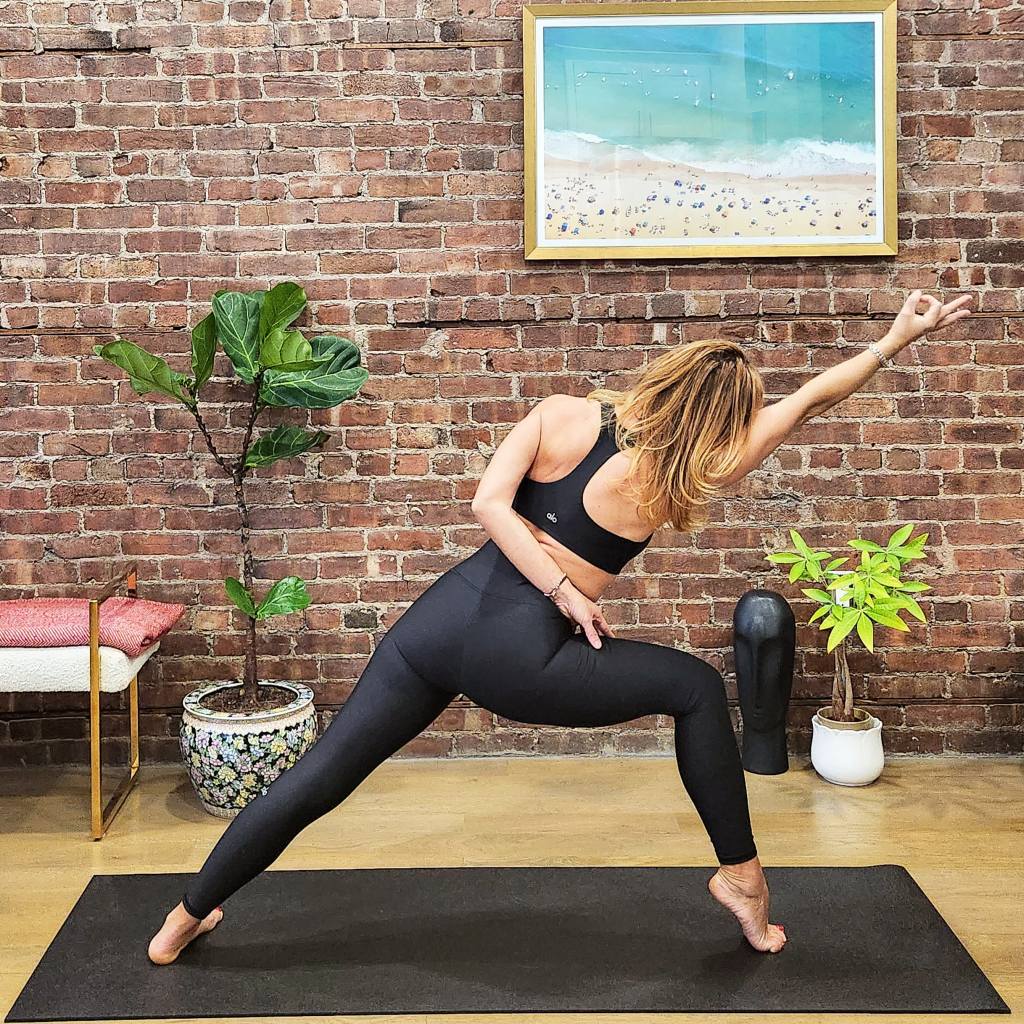
Did you go to a Yoga class for the very first time and you didn’t like it? It was too slow, too fast or just didn’t really feel right? That can be a common situation but, I might have the solution.
There are several types of physical practices and, approaching Yoga for the first time can result in some misunderstandings. It doesn’t mean that Yoga is not for you or there is something wrong with Yoga; maybe we just need to start our Yoga Journey with something that allows to gradually introduce us to this practice. To become knowledge about the different types of Yoga can certainly help!.
This post will help you to find the right class for you, not because Yoga is not suitable for everybody but because not all classes might be.
I know it is a very controversial statement but, it is something I believe.
What I also believe is that there is a Yoga type of class for all of us and it is right out there!!
I am here to assist you with detailed info and tips about the main types of Yoga that you can find, almost everywhere nowadays, especially in the Western Yoga studios that may have some “names” that are not so clear to you yet.
I also would like to encourage you to read this post as a “general guide” to help you navigate through all these types of Yoga but please, do not necessarily feel the need to fall into a specific “category” (I do not like “Labels”) and especially, Yoga is a lifetime-journey, it always evolves. That’s why today you might need a certain type of class and in four months everything can change instead.
- Hatha Yoga
Most practiced type of Yoga and it is perfect for beginners as it involves a combination of standing, seated postures and breath techniques that will allow you to enter Yoga with a slower pace, starting to work on your flexibility and alignment one step at a time, with a deeper attention to explanation of each pose.
- Ashtanga Yoga
It is a traditional and physically demanding style of Yoga. Students follow a set of fixed sequences of posture each time, gradually progressive through the series.
There is a emphasis on breath, linked with the movements and it is a strength-based practice to build internal heat, strength, flexibility and mental focus.
It is a practice that requires dedication, patience and self-awareness but offers numerous benefits for the body, mind and spirit.
If you are a beginner, my personal opinion it is to start with some foundational practice first (as Hatha) and then adventure yourself into Ashtanga if you are looking for something very dynamic and challenging.
- Vinyasa or Vinyasa Flow
It can be considered a faster-paced Hatha but more freestyle and, it uses a combination of both Hatha and Ashtanga.
It links breath and movement and, with its dynamic style helps to detoxify the body, increase bone density, improve cardiovascular health and boosts metabolism.
Currently (because things and perspectives can change, like everything else in life) it is my favorite one and the one I could teach for hours, losing count of the time.
It can cater towards beginners, however in my opinion, some knowledge of posture, alignment, sequencing and control of the breath it’s required before being able to fully enjoy a vinyasa class.
Vinyasa is also knows as a “flow” for its pace and dynamic transition between poses and it requires a good experience from the instructor as well because, the entire sessions are beautifully created, step by step, from the Yoga teacher. There is a lot of creativity in designing a Vinyasa class and that’s something I’ve always appreciated while I was taking classes with different Vinyasa instructors during my life.
Expect to sweat as well, despite the temperature in the room, Vinyasa is built to go outside your comfort zone and your rage of motions.
- Yin Yoga
Gentle and slow, it incorporates principal of traditional Chinese medicine.
It helps us to slow down keeping the asanas for a longer period, bringing better flexibility with passive stretching.
It also brings us more focus on breathing and increase mindfulness.
This practice even if slow and gentle sometimes is not “comfortable” to everybody.
Postures are held for a longer period than in any other Yoga class, typically 5 minutes or more, and it can be challenging for some, not only physically but also mentally.
The goal is to go over those obstacles and find more mindfulness and inner peace.
- Restorative
It is a style of yoga suitable for all ages and levels, that focuses on physical, mental and emotional relaxation, involving holding poses for a longer duration and with the use or props (such as bolster, blocks or folded blankets) to support the body and allow a deeper relaxation.
It provides several benefits including stress reduction, mood improvement, reduction of chronic pain and improvement of sleep quality and overall well-being.
- Iyengar Yoga
It’s all about correct alignment and form, while asanas are kept for a longer period of time. This type of Yoga is based on teachings by B.K.S Iyengar and there is a use of props on the entire practice (such as blocks, bolsters, straps) to help align the body into the different poses.
When this technique was introduced, it became revolutionary and extremely helpful in including every type of age, body and flexibility into the practice of Yoga.
- Power Yoga, Bikram Yoga & Yoga Sculpt
These are variation introduced mainly in the western world but, considering they are widely offered at Yoga studios, let’s briefly introduce them.
Power Yoga is a dynamic sequences of poses, without stopping and starting, with a combination of cardio and strength / Bikram is performed into a heated room at 105F with approx.40% of humidity, allowing the body to sweat and detox / Yoga Sculpt is a dynamic vinyasa flow that includes the use of light weights designed to build strength on a total body work-out. It let you leave the class stronger and uplifted.
- Kundalini Yoga
This is a form of Yoga that involves chanting, singing, strong breathing exercises and repetitive poses. The purpose it is to activate your spiritual energy, allowing it to moving up and through the “chakras” along your spine. Regular practice can lead you to spiritual enlightenment, also know as “Kundalini awakening”
You’ll certainly find several others styles on the market but, even if I truly and deeply respect any type of practice out there, I wouldn’t just call all of them “Yoga”, maybe because they might be too far from the lineage or the philosophy of what really Yoga is (That’s why I will not go deeper on any of them on this post…I am just being honest, sorry).
Let me know in the comments which type of Yoga did you try and which one is your fav!
 YogaLifeMore
Leave a comment