
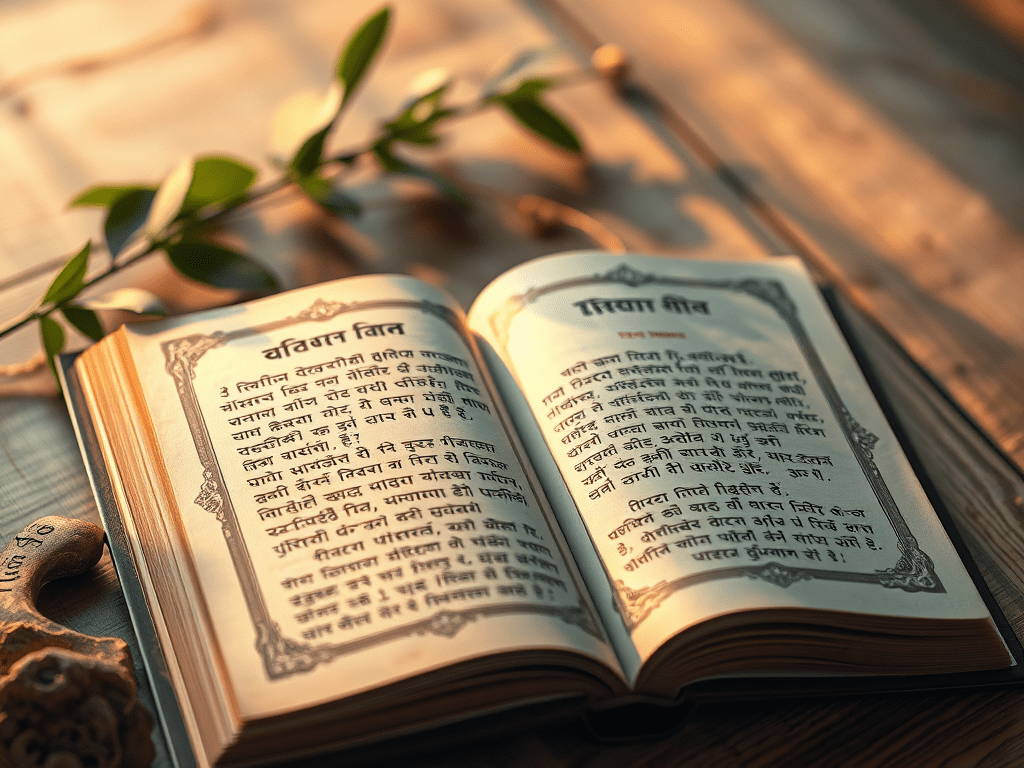
To integrate the Yoga philosophy into our daily life, sage Patanjali wrote the beautiful Sutras and outlined the “8 Limbs of Yoga” as a guide to help anyone to reach personal growth, inner peace and enlightenment.
If you haven’t read my first post about this topic, you can find the link here where I detailed the First of the 8 Limbs: the Yamas.
In this post you will find the Second Limb: the Nyamas, total of 5 powerful principles for a fulfilled life.
In the philosophy of Yoga the Nyamas offer profound guidelines for self-discipline, personal observance and self-love.
Let’s dive into each of them and explore together their application in everyday life.
The 5 NYAMAS :
- Saucha (Purity) :
It emphasizes cleanliness and purity, both internal and external, refers also to mental, emotional and spiritual purification.
Saucha reminds us to take care of our physical health through whole and nutritious food, exercise and rest. It reminds us to purify our mind through meditation, self-reflection and positive thinking. It refers also to creating a peaceful and organized living space that promotes relaxation and focus.
- Santosha (Contentment):
It teaches us to cultivate contentment and acceptance in life. This Nyama invites us to practice gratitude for what we have, rather than focusing on what’s lacking.
It helps us to embrace life’s challenges as opportunities for growth and learning.
It reminds us to find joy and appreciation in simple things.
- Tapas (Discipline):
It is all about self-discipline, willpower and resilience.
Tapas inspires us to set goals and work towards them with dedication and commitment.
This Nyama encourages us to develop perseverance and a disciplined routine, that can include regular yoga practice, healthy habits and any activity that requires dedication.
It also inspires us to embrace challenges as opportunities to build strength and resilience.
- Svadhyaya (Self-study and self-reflection):
It is an invitation to explore our own nature, values and beliefs through meditation, introspection and studying.
It enhances the importance of studying spiritual texts, yoga philosophy and other resources to deepen our understanding, cultivate self-awareness and honesty, acknowledge our strengths and weaknesses and connect with our deeper self.
- Ishvara Pranidhana (Surrender):
The philosophy goes deeper on this, asking us to surrender to a higher power or to the Divine, acknowledging that there is a greater force at play in life. It encourages humility and trust in the Universe.
It also helps us to let go of the need to control everything, to let go our ego and attachments, embracing the present moment and trusting the process.
Surrender to the Universe and God’s plan helps us to recognize the interconnection of all beings and the presence of a higher power that has plans for each of us.
This Nyama invites us to chant, pray and practice any ritual that can connect us to a higher power or to the Divine.
As we explore and apply all the Nyamas, remember that these are not meant to be rigid rules or expectations.
Rather, they are guiding principles to help us to navigate life’s journey with greater intentions, awareness and love.
 YogaLifeMore
Leave a comment